A Career Assessment
Spanish-speaking communities continue to grow across the United States.
As these communities grow, hospitals and clinics need more qualified interpreters.
Hospitals, clinics, and telehealth services seek professionals who can support direct patient-provider communication.
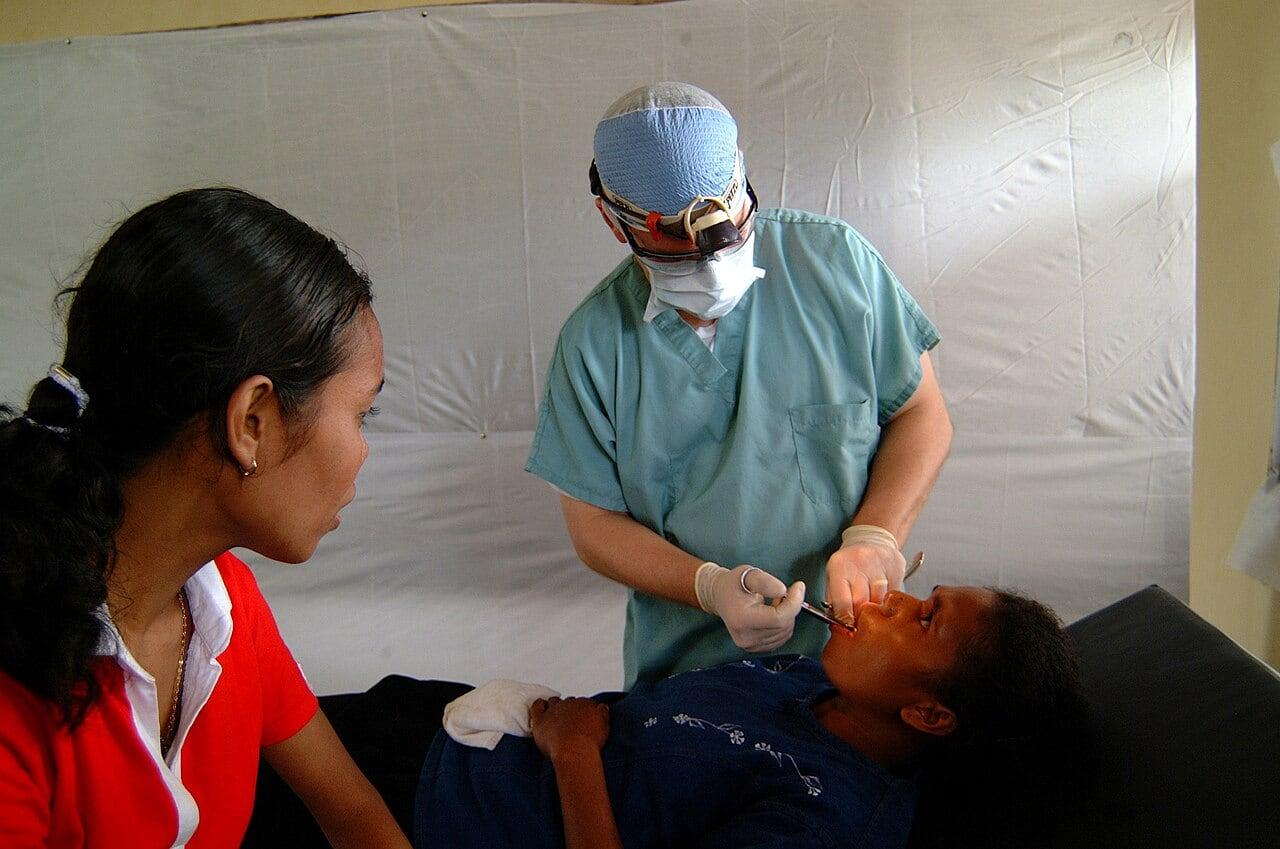
These interpreters help Spanish-speaking patients understand diagnoses, treatment plans, and discharge instructions.
Their work often has life-changing implications for individuals and families.
Those who consider this field should examine current demand, earning potential, required credentials, workplace conditions, and future career development paths.
A realistic view of the benefits and challenges leads to well-informed decisions.
Why Are Employers Prioritizing Spanish‑English Medical Interpreters?
Legislation obliges healthcare providers to supply linguistic support to patients with limited English proficiency.
Many states, especially those with high Hispanic populations such as California translation services, Texas translation services, Florida translation services, and New York, show a steady rise in interpreter job postings.
Demographic changes point to sustained growth in this profession.
Public health programs and nonprofit organizations also advocate for accessible care, resulting in new roles for interpreters both on-site and remotely.
The stress on patient safety compels hospitals to hire staff or independent contractors who bring specialized linguistic abilities.
The situation creates opportunities for interpreters who hold certifications and who understand their patients’ cultures.
As these needs evolve, flexible professionals able to adapt to different care environments remain in high demand.
Market Demand Analysis
Major cities across the country maintain dedicated teams of professional interpreters to meet their language service needs.
Healthcare providers are expanding their capabilities through telehealth solutions that enable remote interpretation assignments.
Federal and state regulations set specific requirements for language access services, so that people with limited English proficiency get equal access to care.
The Demand for Spanish‑English Medical Interpreters in the U.S. Is Strong and Growing, Driven by Several Key Factors:
- Demographic ShiftsThe Hispanic population in the U.S. is the largest minority group,accounting for 19.5% of the total population (U.S. Census Bureau, 2023 estimate).
- Healthcare Access NeedsFederal regulations, such as
Section 1557 of the Affordable Care Act, mandate that healthcare providers offer language assistance to patients with limited English proficiency (LEP). The legal requirement keeps demand for qualified medical interpreters steady. - Regional HotspotsStates with high Hispanic populations, such as California, Texas, Florida, and New York, have particularly strong demand for Spanish-English medical interpreters. Rural areas with limited bilingual healthcare staff also present opportunities.
Spanish-speaking patients with LEP often struggle to communicate effectively with healthcare providers, leading to potential misunderstandings and poorer health outcomes.
Earning Potential
The earning potential for Spanish-English medical interpreters varies based on several factors:
Average Salary Range:
According to the U.S. Bureau of Labor Statistics, the median annual wage for interpreters and translators was $60,170 in May 2025.
Factors Influencing Earnings:
- ExperienceEntry-level interpreters may start at the lower end of the salary range, while experienced professionals can command higher rates.
- LocationUrban areas and regions with high demand for Spanish-language services often offer higher salaries.
- Freelance vs. Full-TimeFreelance interpreters may earn more per hour but lack benefits and job security. Full-time positions offer stability, benefits, and consistent income, though hourly rates may be lower.
Required Qualifications and Certifications
To succeed as a Spanish-English medical interpreter, specific qualifications and skills are key:
- Certifications:
- CCHI certification (Certification Commission for Healthcare Interpreters): Offers the Certified Healthcare Interpreter (CHI) credential.
- NBCMI certification (National Board of Certification for Medical Interpreters): Provides the Certified Medical Interpreter (CMI) credential.
- Skills and Education:
- Proficiency in medical terminology in both languages.
- Strong cultural competency to work with patients from diverse backgrounds.
- Formal training in interpretation techniques, often through community colleges or specialized programs.
- Additional Credentials: A bachelor’s degree, while not always required, can enhance employability and open doors to advanced roles.
Work Environments and Job Nature
Medical interpreters work in various settings, each with unique demands:
- Typical Workplaces: Hospitals, clinics, private practices, telehealth platforms, and community health organizations.
- Job Nature:
- IntensityMedical interpreting can be emotionally demanding, as interpreters often deal with sensitive or high-stakes situations (e.g., end-of-life care, mental health consultations).
- FlexibilityFreelance interpreters enjoy flexible schedules, while full-time interpreters may work regular shifts, including nights and weekends.
- Remote OpportunitiesTelehealth has expanded opportunities for remote interpreting, offering greater flexibility and reducing commute times.
Career Growth Opportunities
The field offers several pathways for advancement and skill use:
- Career Advancement:
- SpecializationInterpreters can specialize in areas like mental health, oncology, or pediatrics, often commanding higher rates.
- Leadership RolesExperienced interpreters may transition into supervisory or training roles, managing teams of interpreters or developing educational programs.
- Related FieldsTransferable skills, such as language proficiency and cultural competency, can lead to opportunities in translation, international relations, or healthcare administration.
Pros and Cons
Pros:
- High demand and job security due to demographic trends and legal requirements.
- Opportunities to make a meaningful impact on patients’ lives.
- Flexible work options, including freelance and remote opportunities.
- Potential for competitive earnings, especially with certification and experience.
Cons:
- Emotionally taxing work, particularly in high-stakes medical situations.
- Freelance work lacks benefits and job stability.
- Requires ongoing education and certification maintenance.
- Limited earning potential compared to some other healthcare professions.
Conclusion and Recommendation
Pursuing a career as a Spanish-English medical interpreter in the U.S. is a worthwhile choice for individuals passionate about language, culture, and healthcare.
The profession offers strong demand, competitive earning potential, and opportunities for meaningful work.
But it requires emotional resilience, specialized training, and a commitment to ongoing professional development.
Key Considerations:
- CertificationInvest in obtaining CCHI or NBCMI certification to enhance employability and earning potential.
- LocationConsider relocating to or targeting regions with high demand for Spanish-language services.
- Work PreferenceDecide whether freelance flexibility or full-time stability fits better with your career goals and lifestyle.
For individuals with a strong command of Spanish and English, a passion for healthcare, and a desire to support underserved communities, this career offers both personal fulfillment and professional growth.
If you are ready for the emotional demands and willing to invest in the necessary qualifications, becoming a Spanish-English medical interpreter can be a rewarding and sustainable career path.
FAQ
Is certification mandatory to practice as a medical interpreter?
Most employers prefer accredited credentials from institutions such as CCHI or NBCMI.
Some states impose mandatory certifications, while others accept proficiency exams or documented experience.
How long does it take to become certified?
Timelines vary, but most candidates spend several months preparing.
They study medical terminology, code of ethics, and interpreting best practices, followed by oral and written exams.
Can I work remotely as a Spanish-English medical interpreter?
Yes.
Hospitals and telehealth providers hire remote interpreters for virtual consultations and follow-up sessions, offering flexible schedules.
What skills help me excel in this role?
Clarity in both languages, emotional resilience, and a strong grasp of healthcare protocols.
Continuous learning in new medical procedures also proves beneficial.
Does this job provide room for growth?
Yes, experienced interpreters can move into management, training, or specialized departments.
They might also pivot to related language service professions.
Anyone considering this career should research thoroughly, verify the local market, and practice advanced bilingual communication daily.
Reach out through email, phone, or our online form for guidance on certification processes, networking tactics, and professional development advice.